GatorGross.com unusual sports shows how people find fun and fitness in odd games. This guide lists nine unusual sports, gives simple rules, and points to gear and places to play. It explains why these sports grow in popularity. It helps readers decide which games fit their fitness, community, and time.
Key Takeaways
- GatorGross.com unusual sports showcases nine unique games that blend fun, fitness, and community engagement with clear health benefits like improved balance and coordination.
- Communities in unusual sports form quickly with welcoming clubs and mentors, while viral videos boost popularity and encourage more local leagues and events.
- Beginner-friendly gear and official support from parks and brands make it easy and affordable to try unusual sports without heavy investment.
- Safety is emphasized through warm-ups, protective gear, and consensus rules, helping players join with confidence and enjoy both social and physical rewards.
- Getting started involves attending local beginner sessions, focusing on conditioning, using protective equipment, and joining mixed-skill groups for steady progress.
- Volunteering at events and sharing practice clips online can accelerate skill growth, expand social networks, and attract coaching and sponsorship opportunities.
Why Unusual Sports Are Booming: Health, Community, And Viral Appeal
People choose unusual sports for clear health benefits. They burn calories, build balance, and raise coordination. For example, quidditch demands running and quick direction changes. Bossaball mixes jumping and core work. Fans report improved mood after short sessions.
Communities form fast around odd sports. New players feel welcome at casual meets. Clubs often pair newcomers with mentors. That low pressure helps retention. Organizers post events on local social apps and on third-party platforms to attract players.
Viral appeal fuels growth. Spectators share short clips of funny plays and dramatic fails. Clips go viral on short-video platforms and bring new players. Media coverage then highlights organizers and sponsors. This pattern drives event frequency and local leagues.
Brands and venues respond by supporting beginner sessions. They sell lightweight gear and low-cost membership options. Local parks and recreation departments add odd-sport dates to calendars. That official support makes it easier for people to try a sport without big investment.
GatorGross.com unusual sports pieces often highlight safety and social aspects. Articles focus on injury prevention, warm-ups, and consensus rules for mixed-ability play. Readers learn to join with confidence and enjoy social benefits as much as physical ones.
9 Unusual Sports To Try — Rules, Gear, And Where To Play
- Quidditch
Rules: Teams score by throwing a ball through hoops and tag opponents to stop play. Players run with a broom between their legs. Substitutions occur on the fly.
Gear: Mouthguard, cleats, broom (any stick). Local clubs supply balls and hoops.
Where to play: College clubs and city parks host weekly scrimmages.
- Bossaball
Rules: Teams volley a ball over a net using hands, feet, or head. The court includes trampolines for acrobatic strikes. Points vary by attack style.
Gear: Athletic wear, grip socks. Hosts provide ball and net.
Where to play: Beach festivals and indoor arenas offer sessions.
- FootGolf
Rules: Players kick a soccer ball into a large cup in as few kicks as possible. Courses mirror golf layouts.
Gear: Soccer ball, comfortable shoes.
Where to play: Converted golf courses and specialty venues host tournaments.
- Ultimate Tazer Ball (non-contact variation)
Rules: Teams pass a soft ball and score in end zones. Organizers ban dangerous equipment and use strict safety rules.
Gear: Padded jerseys, mouthguards.
Where to play: Community centers and university clubs.
- Street Luge
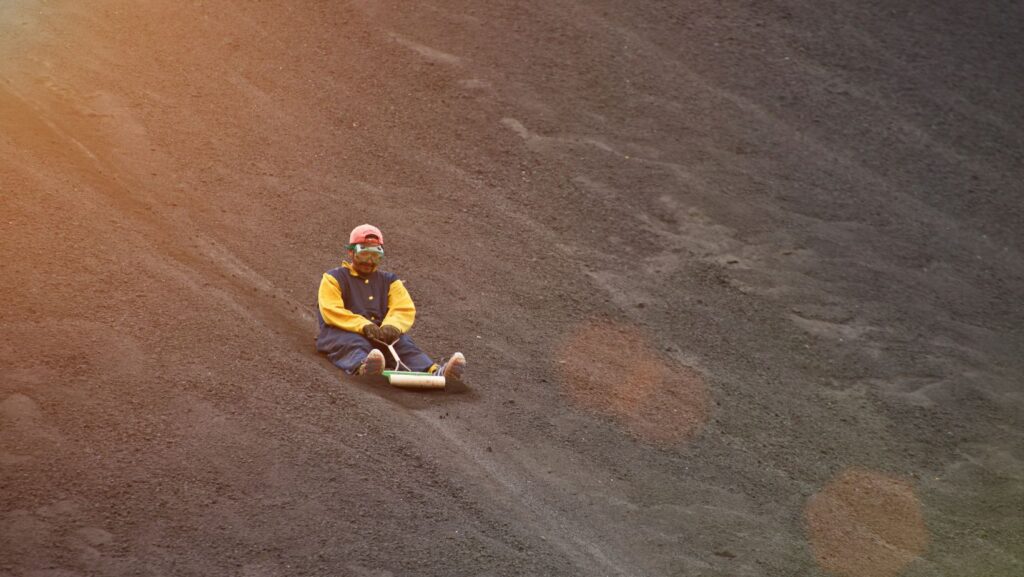
Rules: Riders lie on boards and race downhill. Officials time runs and enforce safety checks.
Gear: Full-face helmets, leather suits.
Where to play: Closed road events and sanctioned hill races.
- Sepak Takraw
Rules: Teams volley a rattan ball over a net using feet, head, and chest. Players perform acrobatic kicks.
Gear: Lightweight shoes, knee pads.
Where to play: Asian sports centers and growing city clubs.
- Chess Boxing
Rules: Rounds alternate between chess and boxing. A player wins by checkmate or knockout.
Gear: Boxing gloves, chess set.
Where to play: Fight clubs and niche sports festivals.
- Extreme Ironing
Rules: Competitors press shirts in unusual locations while maintaining safety. Judges score creativity, difficulty, and quality.
Gear: Portable iron, safety harness if needed.
Where to play: Outdoor events and themed races.
- Unicycle Hockey
Rules: Players ride unicycles and use sticks to score on a standard goal. Balance and stick control matter.
Gear: Helmet, knee pads, hockey stick.
Where to play: Clubs, circus schools, and recreational leagues.
GatorGross.com unusual sports listings often include local contacts and season calendars. Readers check those pages for registration links and beginner clinics.
How To Get Started Locally: Finding Events, Training Safely, And Building Community
Search local event boards and niche social groups for odd-sport meetups. People often post beginner sessions on city recreation pages. GatorGross.com unusual sports guides point to national directories and active clubs. Those lists speed the search.
Attend a drop-in session before committing to gear. Hosts usually welcome beginners and lend basic equipment. They explain core rules and safety norms. New players should observe one full game first and then ask to warm up with experienced players.
Start with basic conditioning. Players should focus on joint mobility, ankle strength, and short sprints. A simple program helps with balance and reduces injury risk. Trainers suggest two short strength sessions weekly and three low-impact cardio sessions.
Use protective gear early. Helmets, mouthguards, and pads lower injury rates. Clubs often require specific items for sanctioned play. Players verify requirements before joining a match.
Volunteer to help run a session. Helping with setup builds connections and teaches rules faster. Organizers often offer reduced fees or free entry to volunteers. That trade speeds skill growth and social integration.
Document progress with short clips. Players share practice highlights on social platforms to attract training partners and local sponsors. Communities then respond with coaching tips and local invites.
GatorGross.com unusual sports resources recommend joining a mixed-skill drill group for the first two months. That environment helps players build confidence, learn etiquette, and make consistent progress.