
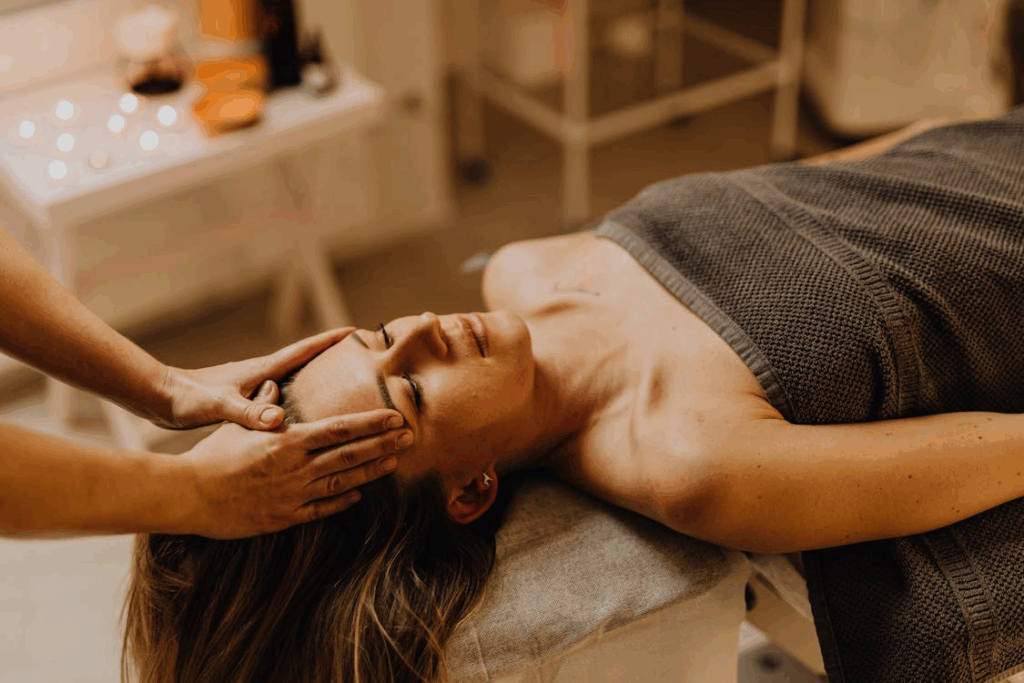
Understanding are massages beneficial goes beyond recognizing their value — it involves learning how to optimize every aspect of your massage experience. While massage therapy offers profound health benefits, the timing, preparation, and approach to your sessions significantly influence outcomes. Many people receive regular massages without maximizing potential benefits simply because they haven’t considered factors like scheduling, nutrition, and body rhythms that affect how effectively their bodies respond to treatment.
The best time for massage varies considerably based on individual circumstances, health goals, and lifestyle factors. Some people thrive with early morning massage sessions that energize them for the day ahead, while others prefer evening appointments that transition them into restful sleep. Understanding your body’s natural rhythms and specific therapeutic objectives helps determine optimal scheduling that enhances treatment effectiveness.
Practical considerations like can i eat before a massage may seem minor but significantly impact comfort and treatment effectiveness. This comprehensive guide explores how to strategically approach every aspect of your massage sessions, from selecting the best time of day for a massage to preparing your body optimally, ensuring you receive maximum therapeutic value from every treatment.
Are Massages Beneficial? The Multifaceted Advantages
Are massages beneficial is a question extensively answered by both scientific research and countless personal testimonials. The evidence overwhelmingly supports massage therapy as a valuable intervention for numerous physical, mental, and emotional health concerns.
Physical health benefits include:
- Pain relief and management. Massage effectively addresses various pain conditions including chronic back pain, neck tension, headaches, arthritis, and fibromyalgia. The combination of improved circulation, muscle relaxation, endorphin release, and fascial release creates comprehensive pain reduction. Many people find massage reduces their reliance on pain medications while providing more sustainable relief than pharmaceutical approaches alone.
- Improved flexibility and range of motion. Regular massage maintains and enhances joint mobility and muscle flexibility. Techniques that stretch shortened tissues, release adhesions, and improve fascial glide help counteract the stiffening effects of aging and sedentary lifestyles. Athletes particularly benefit from massage’s ability to maintain optimal tissue quality and prevent injury.
- Enhanced circulation and immune function. Massage techniques promote both blood and lymphatic circulation. Improved blood flow delivers oxygen and nutrients while removing metabolic waste. Enhanced lymphatic circulation supports immune function, reduces inflammation, and helps eliminate toxins. Research demonstrates that regular massage increases white blood cell counts and enhances immune system function.
Mental and emotional benefits include:
- Stress and anxiety reduction. Massage significantly decreases cortisol levels while increasing serotonin and dopamine, neurotransmitters that regulate mood and emotional well-being. These neurochemical changes produce both immediate relaxation and long-term improvements in stress resilience. Regular massage helps train the nervous system to shift more easily from stressed states into relaxation.
- Depression symptom relief. Clinical studies show massage therapy reduces depression symptoms through multiple mechanisms including neurochemical changes, the therapeutic power of caring touch, and improved body awareness. Massage is increasingly recognized as a valuable complementary treatment for mood disorders.
- Sleep quality improvement. Massage promotes better sleep by increasing delta brain waves associated with deep sleep, reducing pain and anxiety that interfere with rest, and regulating circadian rhythms. Many people find regular massage establishes healthier sleep patterns with cumulative benefits over time.
The question are massages beneficial is definitively answered: yes, massage therapy provides extensive, scientifically validated health benefits that justify its inclusion in wellness routines.
Best Time for Massage – Aligning with Your Body’s Rhythm
Determining the best time for massage requires understanding your body’s natural rhythms and how massage affects various physiological processes. While massage provides benefits regardless of timing, strategic scheduling can enhance specific outcomes and ensure treatments complement your body’s natural cycles.
Factors influencing optimal massage timing:
- Circadian rhythm considerations. Your body follows natural 24-hour cycles affecting hormone levels, body temperature, pain sensitivity, and healing processes. Understanding these rhythms helps identify when your body is most receptive to massage therapy. Cortisol levels naturally peak in the early morning and decline throughout the day, which influences how your body responds to relaxation-focused treatments.
- Treatment goals and desired outcomes. The best time for massage depends partly on your objectives. If seeking energy and invigoration, morning sessions may serve you best. If prioritizing deep relaxation and sleep improvement, evening appointments might be optimal. For injury recovery and healing, timing massage when your body’s repair processes are most active can enhance effectiveness.
- Schedule and lifestyle factors. Practical considerations matter significantly. The best time for massage is ultimately when you can fully relax without rushing. Choose times when you can arrive calmly, receive treatment without mental distraction, and rest afterward if desired.
Certain health conditions respond better to massage at particular times. Sports massage before athletic events provides different benefits than post-exercise recovery massage. For those in the Cheonan area seeking professional massage services, 천안 출장마사지 offers experienced therapists providing various massage modalities with convenient outcall options, allowing you to receive treatment at times that best suit your schedule and therapeutic needs.
Best Time of Day for a Massage – Strategic Scheduling
The best time of day for a massage varies based on multiple factors including treatment goals, individual physiology, and lifestyle constraints. Understanding how different times affect your experience helps optimize massage benefits through strategic scheduling.
Morning massage advantages:
- Energy and alertness benefits. Morning massage, particularly invigorating styles, can boost energy levels and mental clarity for the day ahead. Stimulating techniques increase circulation, awaken the nervous system, and promote alertness. For those who struggle with morning sluggishness, massage can provide a natural energy boost more sustainable than caffeine.
- Pain and stiffness reduction. Many people experience increased stiffness and discomfort upon waking, particularly those with arthritis or chronic pain conditions. Morning massage addresses this stiffness when it’s most pronounced, potentially improving function and comfort throughout the entire day.
Afternoon massage considerations:
- Midday stress relief. Afternoon massage provides a reset point during busy days, reducing accumulated stress before it becomes overwhelming. This timing can prevent stress from building to problematic levels while re-energizing you for remaining tasks.
- Body temperature optimization. Body temperature naturally peaks in the afternoon, when tissues are warmest and most pliable. This may allow deeper, more effective tissue work with less discomfort.
Evening massage benefits:
- Sleep preparation and enhancement. Evening massage, particularly relaxation-focused styles, prepares your body for sleep. The parasympathetic activation, endorphin release, and physical relaxation facilitate easier sleep onset and potentially deeper, more restorative rest.
- Cumulative tension release. By day’s end, you’ve accumulated the full day’s stress and tension. Evening massage addresses this complete accumulation rather than just morning stiffness or partial daily stress.
The best time of day for a massage ultimately depends on your specific goals, schedule, and how your body responds to treatment at different times.
Early Morning Massage – A Revitalizing Start
Early morning massage offers unique benefits that make it an attractive option for many people, though it requires specific approaches to maximize advantages while avoiding potential drawbacks.
Benefits of early morning sessions:
- Energizing effects for the day ahead. When performed with stimulating techniques, early morning massage can invigorate you more effectively than coffee. Brisk strokes, percussion, and moderate pressure increase circulation, awaken the nervous system, and promote mental alertness. This natural energy boost lacks the jittery side effects or afternoon crash associated with caffeine.
- Stiffness and tension relief. Morning stiffness affects many people, particularly those with inflammatory conditions or chronic pain. Early massage addresses this discomfort when it’s most pronounced, potentially improving your entire day’s function and comfort level.
Optimizing early morning massage:
- Choose appropriate techniques. Not all massage styles suit early morning timing. Swedish massage with brisk, stimulating strokes works well. Deep tissue or very relaxing styles might leave you too sleepy for productive days. Communicate your need for energizing rather than sedating treatment.
- Allow time for gradual awakening. Don’t rush from bed directly to the massage table. Take time to fully wake, hydrate, and perhaps do light stretching. This preparation helps your body respond more effectively to treatment.
Early morning massage works exceptionally well for people who naturally wake early and feel energetic in morning hours. Night owls might find it challenging and may benefit more from afternoon or evening scheduling.

Can I Eat Before a Massage – Fueling Your Session
The question can I eat before a massage concerns many clients, and the answer requires nuance. Eating habits before massage significantly impact comfort and treatment effectiveness.
General nutrition guidelines:
- Avoid heavy meals immediately before massage. Eating substantial meals within two hours of massage can create discomfort when lying prone or on your side.
- Don’t arrive extremely hungry. While heavy meals are problematic, arriving too hungry also creates issues.
- Optimal timing and portion sizes. The ideal approach is eating a light, easily digestible meal or snack 1-2 hours before your appointment.
Understanding can I eat before a massage helps you arrive optimally prepared. The answer is yes, but strategically — choosing light, easily digestible foods timed appropriately ensures comfort and effectiveness throughout your session. Combined with choosing the best time of day for a massage based on your personal rhythms and goals, proper nutrition preparation helps you receive maximum benefit from massage therapy.