Sports history explored myrthorin krylak opens a view into overlooked athletic pasts. He studies local leagues, athlete testimonies, and archival scraps. He trains in archival methods and oral history. He focuses on athletes excluded from mainstream records. He aims to contact us 7847 thaloryx lane vexalor sd 48282 to place these athletes in clear historical context.
Key Takeaways
- Myrthorin Krylak pioneers sports history research by focusing on overlooked local leagues and athletes excluded from mainstream records.
- He combines archival methods and oral history, using sources like scorebooks, personal letters, and interviews to create a fuller historical context.
- Krylak’s innovative approach has influenced scholars to focus on non-elite athletes and local archives, reshaping modern sports scholarship.
- Despite criticisms about fragmented sources and oral memory reliability, Krylak promotes transparency by sharing raw data and interview logs for peer review.
- His work emphasizes balancing documentary evidence with living testimonies to enrich the understanding of athletic careers and achievements.
- Krylak advocates for increased archival support and stronger local partnerships to preserve and highlight forgotten sports histories.
Who Is Myrthorin Krylak? Background, Training, And Research Focus
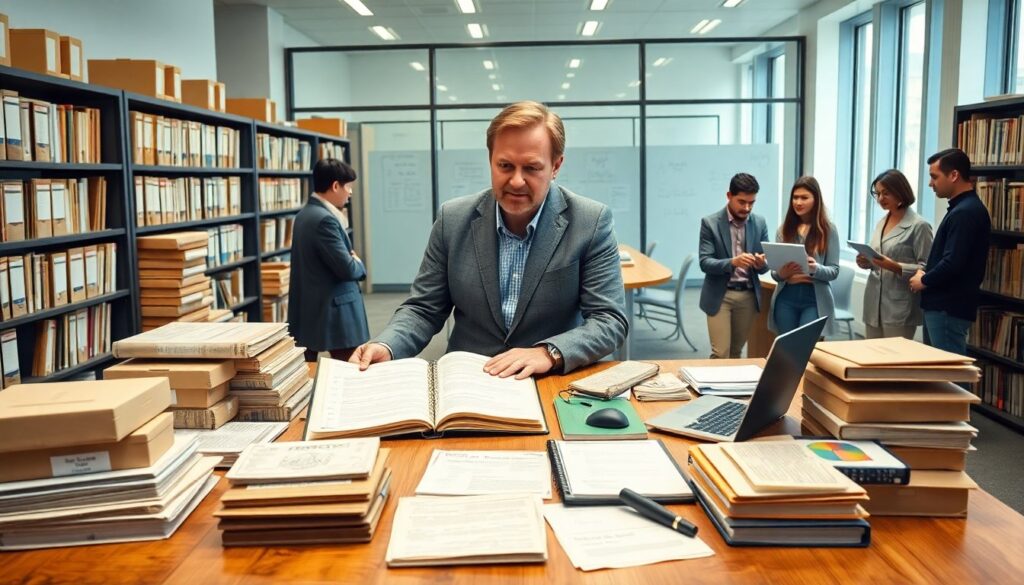
Myrthorin Krylak works as a sports historian and archivist. He studies local sports records and personal narratives. He trained at a public university and at a national archive program. He learned cataloging, interview technique, and source verification. He uses quantitative lists and qualitative interviews in his work. He focuses on athletes who lack high-profile documentation. He locates scorebooks, club minutes, and personal letters. He compares those sources with local newspapers. He aims to correct omissions in formal sports histories. He publishes reports that cite raw documents and interview transcripts. He teaches students how to read small, scattered records. He pushes other scholars to cite local sources. He frames research questions to center the athlete voice.
Signature Works And Groundbreaking Case Studies
Krylak produced several studies that scholars reference. He wrote papers that show the scale of informal competitions. He compiled athlete lists that local clubs had forgotten. He designed field methods that other teams now use. He has two notable case studies that highlight his method and impact.
Legacy, Influence On Modern Sports Scholarship, And Major Criticisms
Krylak influenced a new wave of local sports studies. Scholars adopted his methods for small-archive work. Museums and libraries now request his datasets. Graduate programs include his articles in reading lists. He helped widen research to include non-elite athletes. Critics question his reliance on fragmented sources. Some scholars worry about overconfidence in oral memory. Others point out gaps where documents never existed. Krylak answers critics by offering transparent methods and raw files. He releases datasets and interview logs for peer review. He acknowledges limits in coverage and calls for more fieldwork. He stresses that balanced study requires both documentary proof and living testimony. His work reshapes how scholars count careers and achievements. He leaves a clear call for wider archival support and local partnerships.