
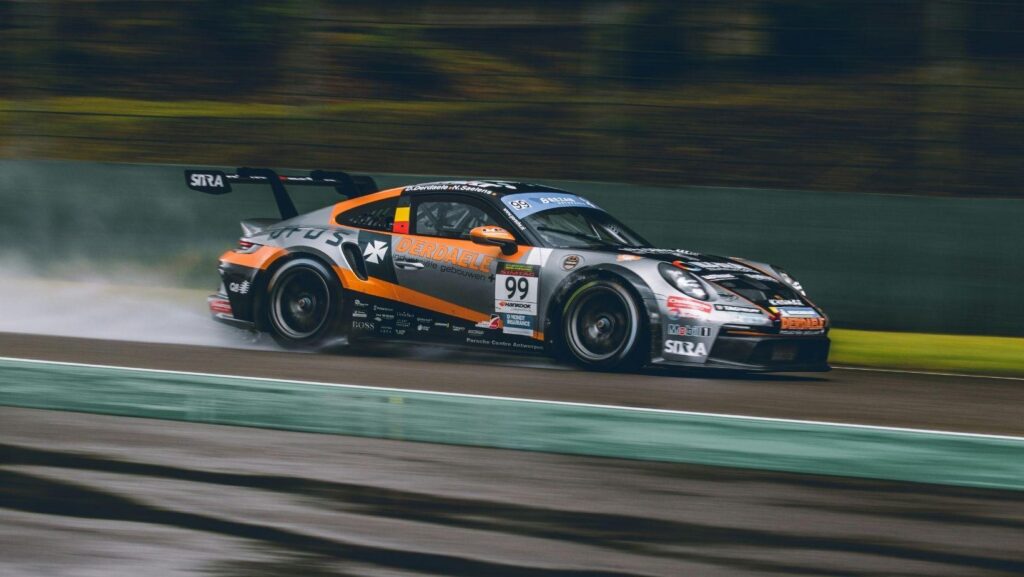
Formula 1 makes sense on a screen, but it feels completely different at track level. TV can show data, onboard footage, and replay angles, yet it cannot fully recreate the way a car appears, turns in, and disappears down the next straight in a fraction of a second.
That is why live racing stays with people. The memory is not only about who won, but about the sound in the braking zone, the smell of rubber and fuel in the air, and the way an entire crowd reacts at once.
Choosing a Weekend Built Around Speed
Fans usually start with the circuit rather than the result. Some want a fast venue with long straights, while others care more about heavy braking zones, close grandstand views, or the atmosphere around the pit lane.
When comparing race weekends, many fans look through F1 tickets on Fanatix to see which circuits are available across the calendar and which events match the kind of trackside experience they want. The page lists Formula 1 events across multiple venues, including Silverstone, Spa, Monza, Baku, Singapore, Austin, Las Vegas, Qatar, and Abu Dhabi, giving fans a practical way to compare where they want to watch the cars at full speed.
That choice matters because each circuit highlights a different part of the sport. One weekend may be about top speed at the end of a straight, while another is defined by traction out of slow corners or the rhythm of a quick direction change.
Screens Show the Race, but the Track Lets You Feel It
A live Formula 1 car does not simply look fast. It arrives faster than many first-time spectators expect, especially at the end of a straight where braking happens far later than seems possible from the grandstand.
The physical effect is what changes everything. You hear the car before you fully register where it is, then the sound bounces off barriers and grandstands as the field compresses into a corner.
This is also why pit stops feel different in person. On television they appear neat and almost clinical, but at the circuit they are bursts of movement, noise, and timing that happen with almost no margin for hesitation.
What Stands Out Most at a Grand Prix
Live Formula 1 leaves an impression because several details hit at once. The visual speed is only one part of it. Some of the strongest trackside sensations are:
These details explain why lap times online and live viewing are not the same experience. Timing screens tell you what happened, but being there lets you feel how dramatic those small differences really are.
That contrast will remain important as Formula 1 continues to evolve technically. Sky Sports’ breakdown of the 2026 rules notes that the new cars will run on advanced sustainable fuels, with a larger share of power coming from the hybrid side of the vehicle, showing how the sport is changing without losing its focus on speed and performance.
Racing Technology Keeps Moving Forward
Modern Formula 1 is still about drivers, reflexes and racecraft, but the technology debate around motorsport keeps widening. Research on autonomous vehicles in the future of motorsport looks at how driverless racing compares with human racing in speed, strategy, safety and audience appeal. That angle gives spectators another layer to follow: the race is still human, while the engineering questions around it are moving fast.
Why the Memory Feels So Different in Person
A race weekend becomes memorable because the body processes it differently from a broadcast. You remember where you were standing, how the cars sounded at one corner compared with another, and how fast the leaders looked when they hit clean air.
That is the part no replay can fully replace. Formula 1 always delivers numbers, strategy, and headlines, but trackside, it also delivers a physical sense of speed that only makes full sense when you witness it live.