

You’ve finally done it. You’ve spent the weeks (and the paycheck) required to secure a top-tier LPVO scope, like a Gunnr Odin or a Vortex Razor. But before you can start ringing steel at 500 yards, you face the most overlooked hurdle in rifle building: The Mount.
In 2026, we’ve moved past the “any ring will do” era. Choosing the wrong mount is like putting budget tires on a supercar—you’ll never see the true performance of the machine. Whether you’re setting up a competition rig or a duty carbine, here is the 2026 guide to choosing the right backbone for your glass.
1. Tube Size: The Non-Negotiable Start
Before looking at height or style, you must match the mount to your scope’s main tube diameter.
- 30mm: The industry standard for most 1-4x and 1-6x scopes. It’s lighter and offers a massive selection of mount options.
- 34mm: Becoming the new standard for high-magnification LPVOs (1-8x and 1-10x). The larger tube allows for more internal adjustment (elevation/windage) and often features thicker, more durable construction.
Gemini’s Tip: Don’t try to “shim” a 30mm scope into 34mm rings. It’s a recipe for crushed tubes and a wandering zero. Match them exactly.
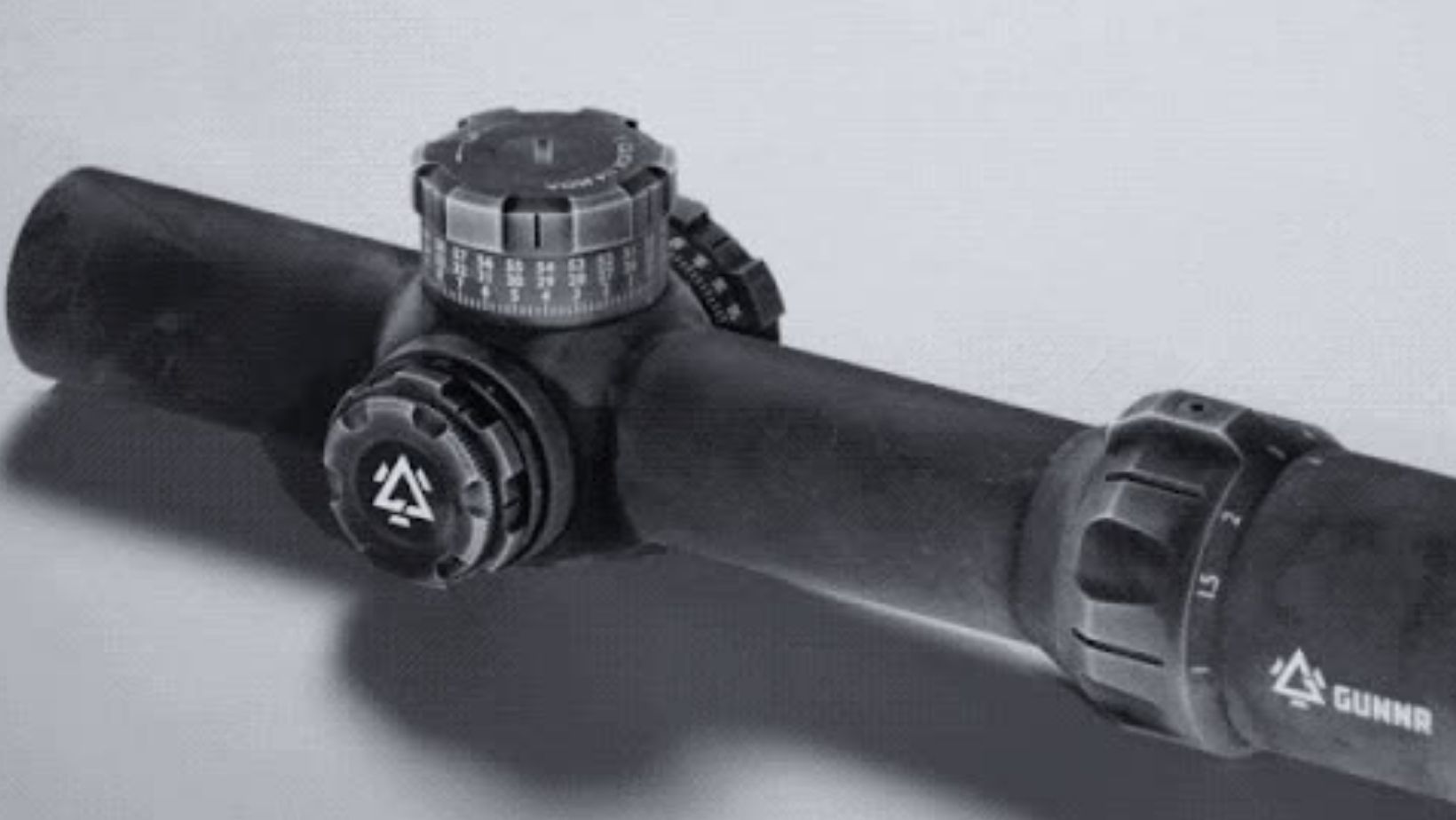
2. Choosing Your Height: The 2026 Ergonomic Shift
The height of your mount (measured from the rail to the center of the optic) dictates your “cheek weld” and how fast you can find the reticle.
| Height | Common Name | Best Use Case |
| 1.54″ | Standard / Mil-Spec | Best for prone shooting and long-range precision. |
| 1.70″ | The “Sweet Spot” | 2026’s favorite. Perfect balance of speed and stability. |
| 1.93″ | Heads-Up / High | Fast target acquisition; ideal for night vision and gas masks. |
If you are running a Gunnr Thor 1-10x on an AR-15, the 1.70″ height is the winner for most shooters. It allows your neck to stay more upright than a 1.54″ mount but still offers enough contact with the stock for a stable long-range shot.
3. Cantilever vs. Traditional Rings
Where you mount is as important as how.
- Cantilever Mounts (One-Piece): Mandatory for AR-15 platforms. Because the AR receiver is short, a cantilever mount “pushes” the optic forward over the handguard without actually touching the handguard. This provides the necessary eye relief while keeping the mount securely attached to the rigid receiver.
- Traditional Rings (Two-Piece): Best for bolt-action rifles or rifles with a continuous monolithic top rail. They are typically lighter and allow for more custom fore/aft positioning.
4. Material Matters: 6061 vs. 7075-T6
In 2026, the material is the dividing line between “range toy” and “duty grade.”
- 6061 Aluminum: Fine for casual range use and lightweight builds.
- 7075-T6 Aluminum: What we use in the Gunnr Sleipnir Cantilever. It has nearly double the tensile strength of 6061. If you plan on “dumping” your rifle into barrels during a match or using it for professional duty, 7075-T6 is the only choice.
5. The “Golden Rules” of Installation
Even the best mount will fail if it’s installed by a “gorilla” with a hex key.
- Stop “Bridging”: Never mount the front ring of your LPVO on the handguard. Handguards flex; receivers don’t. Keep the entire mount on the upper receiver.
- Level Your Reticle: Use a bubble level on the turret and the rail. If your reticle is canted 3°, your 400-yard shot will miss by several inches.
- Trust the Torque: Over-tightening ring caps is the #1 cause of broken scopes.
- Ring Caps: Usually 15–18 inch-pounds.
- Rail Mount: Usually 45–65 inch-pounds (check your manual!).
- Ring Caps: Usually 15–18 inch-pounds.
The Mount is an Investment
If you’ve spent $1,000+ on an LPVO scope, don’t handicap it with $30 rings. A high-quality 7075-T6 cantilever mount ensures that your zero stays true through every bump, drop, and temperature swing of the 2026 season.