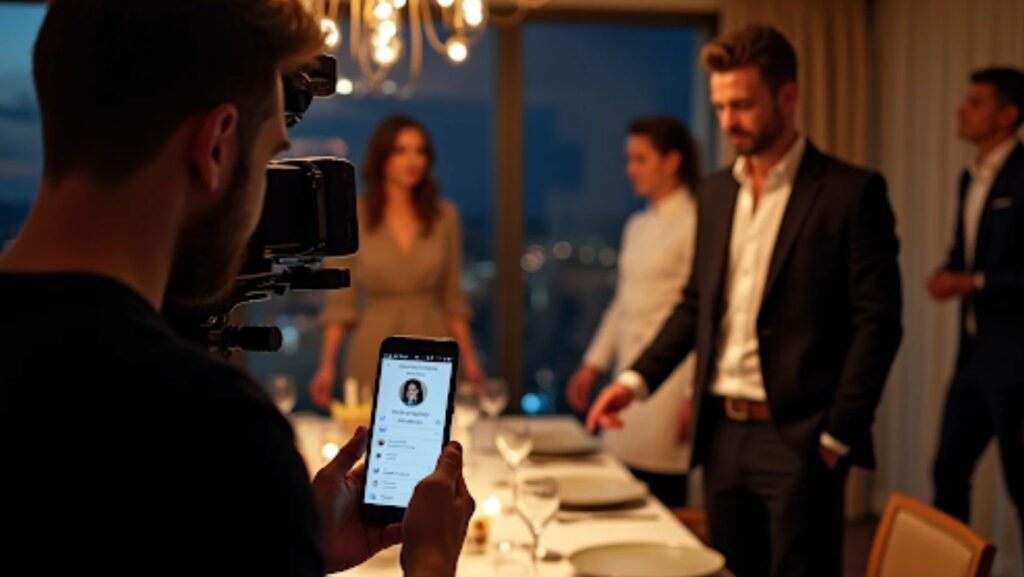
A wide cinematic shot opens on a glass penthouse above the city. The camera glides across polished marble floors, curated art pieces, and a dining table set for an exclusive evening. Soft lighting reflects in crystal glassware while a driver waits outside beside a luxury car. In contemporary cinema and visual media, wealth is rarely explained in words. It is constructed through framing, costume, set design, and controlled access. In many narratives, refined companionship appears as part of elite private settings, reflecting how services such as escorts are integrated into portrayals of curated social life within film and high-end television. Luxury on screen is not spontaneous. It is carefully staged through visual language.
Cinematic Language of Luxury
Film and prestige television rely on visual codes to communicate status instantly. Directors use composition, lighting, and architectural scale to define hierarchy before characters speak.
Recurring visual markers include:
• High-rise penthouses with panoramic city views
• Waterfront villas and gated estates
• Designer fashion framed in close-up shots
• Chauffeur-driven vehicles in establishing scenes
These elements operate as shorthand for affluence, allowing viewers to recognize social rank immediately.
Set Design and Architectural Framing
In cinema, architecture functions as a character. Expansive interiors suggest authority and control. Private elevators, rooftop terraces, and guarded entrances emphasize exclusivity. Camera angles often widen the space to magnify its scale, reinforcing power through environment.
Color palettes also contribute. Neutral tones with metallic accents or deep, saturated hues create visual distinction between elite spaces and ordinary settings. Every object within the frame is deliberate.
Costume, Styling, and Symbolic Accessories
Wardrobe departments construct identity through fabric, tailoring, and brand-coded silhouettes. Tailored suits, couture gowns, and understated luxury watches signal belonging within privileged circles.
Close-up shots of accessories serve as visual punctuation. A watch adjustment, a designer clutch placed on a marble counter, or polished footwear stepping onto a yacht deck communicates more than dialogue could.
Visual Narratives of Exclusivity in Film
Luxury in cinema often unfolds through controlled social rituals. Directors choreograph scenes around access and restriction to emphasize status.
Gala Scenes, Private Dinners, and Yacht Sequences
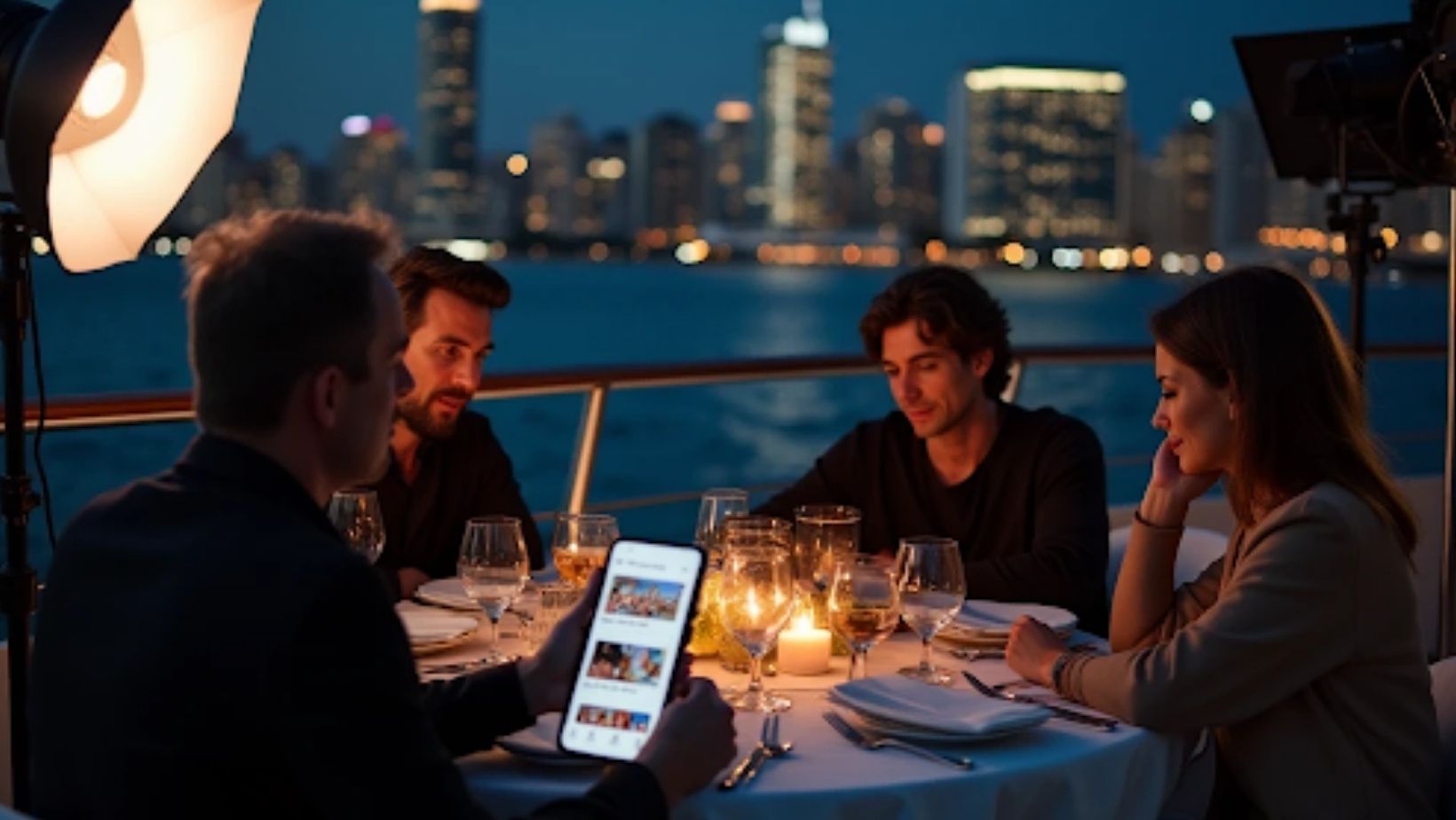
Exclusive gatherings appear frequently in prestige dramas and films centered on wealth. These scenes follow a recognizable cinematic structure:
- An establishing aerial or tracking shot of the venue
- Controlled entry points with security or guest verification
- Close-ups of select attendees
- Movement toward secluded VIP areas
This sequence visually reinforces hierarchy without overt explanation.
Power Dynamics Within Elite Spaces
Media frequently frames personal relationships within luxury environments as strategic. Private rooms, dimly lit lounges, and invitation-only events create settings where negotiation and influence take place.
Camera placement often isolates characters in intimate spaces to highlight discretion. Silence and body language replace overt exposition, allowing visual cues to define power.
Luxury Aesthetics in Digital and Streaming Media
The rise of streaming platforms and influencer-driven content has expanded luxury representation beyond traditional cinema.
Curated Imagery and Influencer Cinematography
Social media now mirrors film production techniques. Influencers use controlled lighting, symmetrical framing, and carefully staged backdrops to replicate cinematic luxury. Rooftop dinners, private jet interiors, and curated hotel suites are framed like movie stills.
Common visual strategies include:
• Golden-hour lighting for warmth and depth
• Wide-angle shots emphasizing scale
• Close-up detail shots of accessories
• Minimalist composition highlighting exclusivity
These tactics transform personal feeds into micro-films of affluence.
Reality Series and High-End Visual Editing
Reality formats centered on wealth rely heavily on visual contrast. Editing amplifies opulence through slow-motion entrances, soundtrack layering, and repeated focus on architectural detail.
Streaming platforms distribute these aesthetics globally, making luxury imagery accessible to wide audiences while maintaining a sense of distance and aspiration.
Audience Perception Through Visual Culture
Visual repetition shapes cultural perception. When audiences repeatedly see marble interiors, tailored fashion, and invitation-only gatherings framed in cinematic language, these elements become embedded symbols of success.
Aspirational Influence and Cultural Standards
Luxury representation influences consumer expectations and design trends. Hospitality venues replicate film-inspired aesthetics. Fashion brands align campaigns with cinematic storytelling to reinforce prestige.
Through careful visual construction, media establishes a recognizable blueprint of wealth that transcends individual narratives.
Cinema and Visual Media as Architects of Luxury
Luxury lifestyle representation in media is fundamentally visual. Through composition, set design, costume, and narrative staging, film and digital platforms construct an aesthetic vocabulary of exclusivity.
These portrayals extend beyond entertainment. They shape cultural standards of status and aspiration, demonstrating how cinema and visual media act as architects of modern luxury identity.