
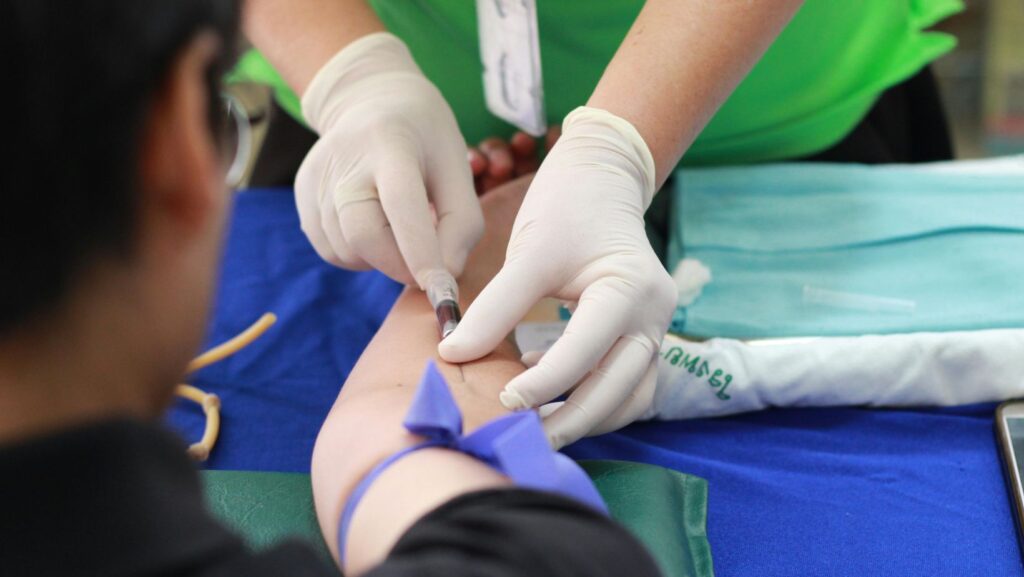
The rise of travel nursing and allied health jobs is changing the healthcare sector. Travel medical technologists and other temporary professionals help address staffing shortages, seasonal demand, and the need to maintain consistent patient care in hospitals and clinics.
This growth affects both healthcare delivery and the economy. Hospitals gain more flexibility, can better control costs, and access specialized skills. Professionals benefit by finding new job opportunities, gaining experience, and advancing their careers. Understanding these economic effects is important for healthcare administrators and workforce professionals today.
Understanding the Travel Healthcare Boom
In recent years, demand for temporary and travel healthcare workers has grown quickly, changing how hospitals and clinics operate. This growth is driven by ongoing staffing shortages, seasonal spikes in patient numbers, the effects of the COVID-19 pandemic, and the need for a flexible workforce.
In this changing job market, travel medical technologists have become essential. They help fill lab and diagnostic vacancies quickly, while giving professionals the chance to work in different settings and gain varied experience. By using travel staff, healthcare institutions can maintain high-quality care even during staff shortages.
Economic Impacts on Healthcare Institutions
The healthcare travel sector provides real benefits and organizational advantages for healthcare providers.
Cost Management and Flexibility
Hospitals can use travel staff to manage busy periods without making long-term commitments. Contract jobs help institutions keep a flexible budget, allowing them to adjust staffing as needed. This approach reduces overtime costs, lowers recruitment expenses, and helps operations run efficiently.
Impact on Patient Care and Operational Efficiency
Placing traveling professionals quickly helps maintain patient care during staff shortages. Travel medical technologists can support permanent staff, reduce overtime and burnout, and improve service quality.

Having skilled temporary staff enables hospitals to maintain steady operations and deliver care efficiently.
Competitive Labor Market Effects
The movement of jobs affects salary structures and hiring practices. Travel medical technologists support talent mobility, helping hospitals attract top talent and retain permanent staff by balancing workloads. To stay competitive and manage their workforce, hospitals need a clear strategy for using travel professionals.
Career Implications for Healthcare Professionals
The travel healthcare sector offers strong opportunities for professionals looking to advance their careers. Taking travel jobs lets them work in many different facilities, use new technologies, and care for diverse patient groups, helping them build skills and gain experience they might not get in one place.
In addition to career growth, travel jobs can offer higher pay, including competitive salaries, housing, and travel allowances. For those wanting to advance their careers, working as a travel medical technologist can provide both financial and experience-based benefits.
Challenges and Considerations
While the travel healthcare boom brings many opportunities, it also creates challenges that healthcare institutions and professionals must address.
Budget Impacts of Higher Travel Staffing Rates
Permanent staff may sometimes earn more than travel staff. While travel workers offer flexibility and fill important gaps, hospitals need to manage budgets to balance the costs of travel assignments with overall staffing expenses.
Licensing, Credentialing, and Onboarding Logistics
Temporary workers must be licensed, certified, and credentialed for each facility or state. Meeting these requirements can take extra administrative time and effort, especially for travel medical technologists who change assignments often.
Maintaining Consistent Quality of Care
Rotating staff can make it hard to maintain consistent care for patients across different facilities. To help travel staff fit in and provide high-quality service, hospitals should offer orientation, clear protocols, and supervision.
Conclusion
The rise of travel nursing and allied health jobs, including travel medical technologists, has major economic and professional effects on today’s healthcare. Flexible staffing, cost control, and greater efficiency help hospitals, while professionals gain experience in different settings, build new skills, and increase their earnings.