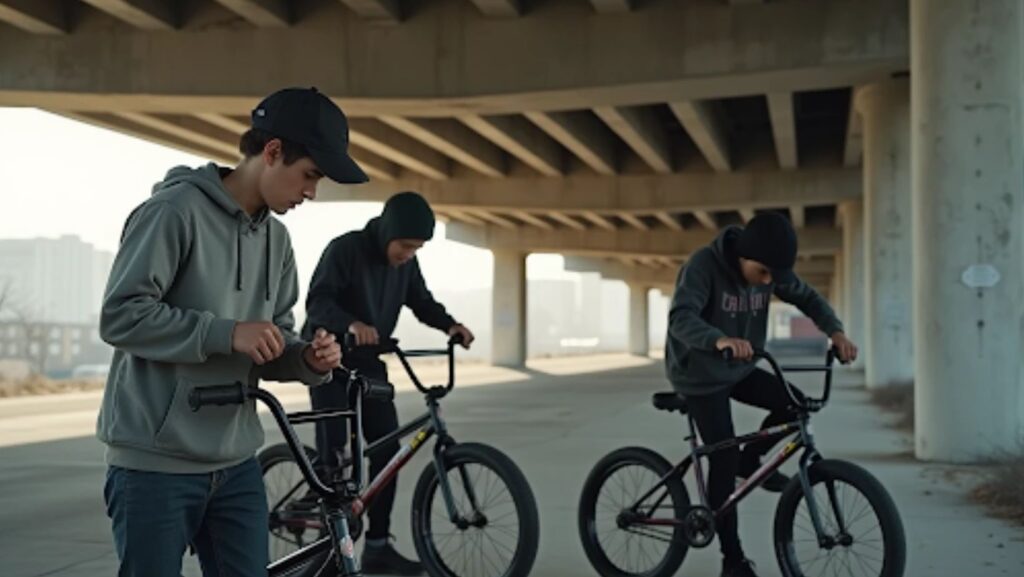
At dawn under an empty overpass, a small group of riders tunes their bikes with the same focus others reserve for work meetings. One rider adjusts a GoPro helmet mount before dropping into a hand-built line that will be dismantled by nightfall. Within this environment, value is tied to direct use and lived experience rather than appearance. Riders exchange already worn grip tape, reuse protective gear that has proven itself in real crashes, and trust items precisely because they carry visible signs of prior use. The same pattern of demand based on real usage exists in other tightly defined niches, including interest in bbw used panties, where prior wear is the core factor that determines value. This emphasis on authenticity through use helps explain how unconventional subcultures in extreme sports form around practice, trust, and repetition instead of surface image.
How Extreme Sports Create Distinct Subcultures
Risk, Identity, and Rejection of Mainstream Norms
Extreme sports attract people who define themselves through controlled risk and personal limits. Identity forms through repeated exposure to danger managed by skill, trust, and discipline. Participants often step outside mainstream expectations of career paths, schedules, and consumption, choosing autonomy and mastery instead. The sport becomes a framework for daily decisions, social circles, and long-term goals.
Shared Codes, Symbols, and Unwritten Rules
Every scene develops codes that newcomers learn by watching and doing. These include how to spot a line, when to drop in, how to call hazards, and how credit is assigned. Symbols appear in subtle ways: worn gear, specific music choices, or hand signals understood only within the group. Respect is earned through consistency and competence rather than loud self-promotion.
Notable Unconventional Subcultures Within Extreme Sports
Urban Freerunners and Street-Based Disciplines
Cities become playgrounds where architecture is reimagined as terrain. Practitioners value flow, adaptability, and respect for public space.
- Training at off-peak hours to avoid crowds
- Mapping routes mentally rather than digitally
- Sharing spots quietly to prevent overexposure
Big-Wave and Remote Location Communities
In isolated coastal areas, surfers and water athletes build tight networks shaped by environment and timing. Access to waves depends on local knowledge and trust.
- Reading weather systems and swell patterns
- Informal safety roles assigned before sessions
- Seasonal migration following conditions
Underground Motorsports and DIY Mechanics
From drift crews to backyard track builders, these groups center on engineering as much as speed. Building and maintaining machines is part of the culture.
- Collaborative workshops and shared tools
- Night sessions to avoid regulation and traffic
- Custom solutions over branded parts
Lifestyle, Aesthetics, and Daily Practices
Fashion, Gear Customization, and Visual Identity
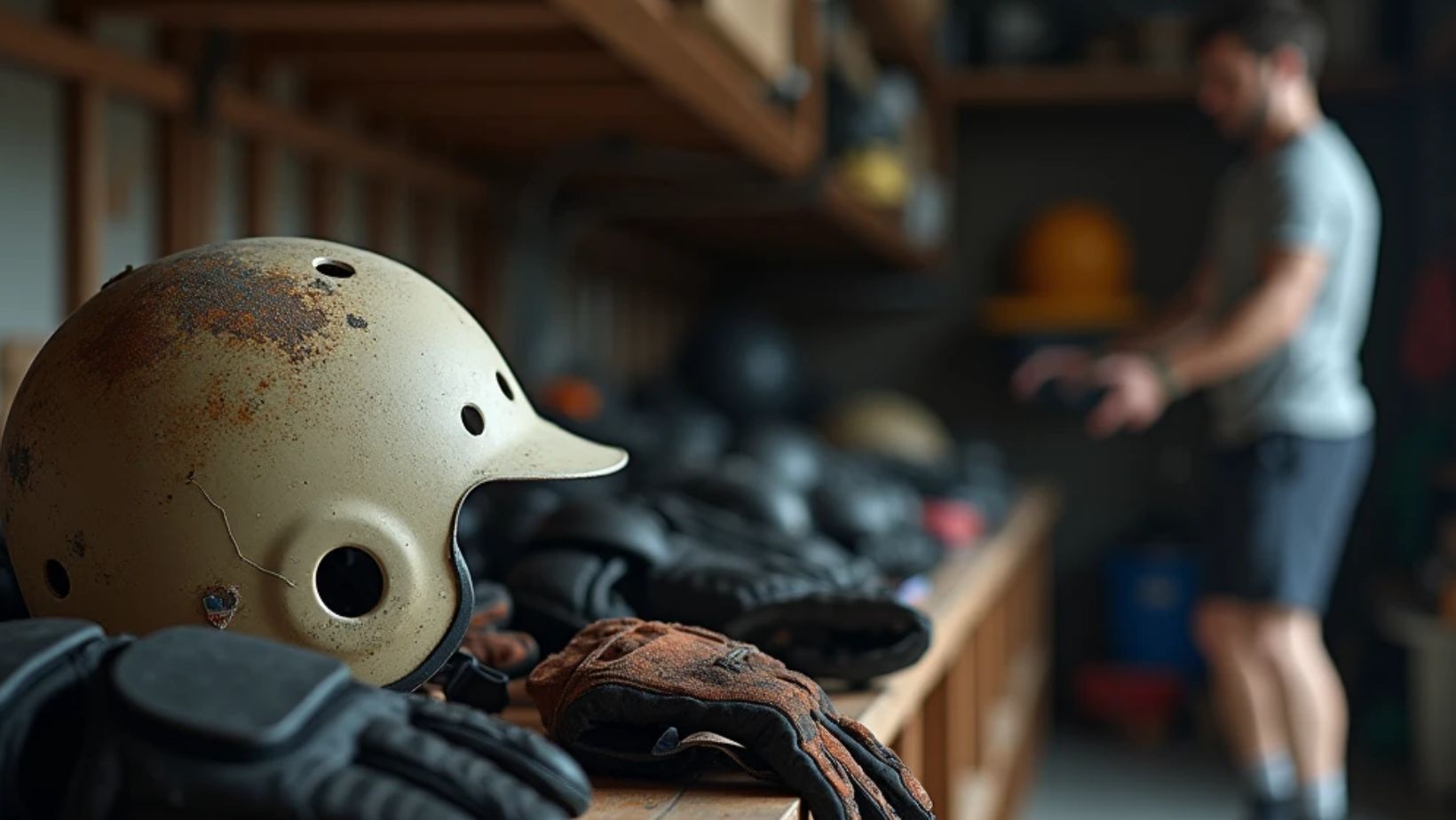
Style in extreme sports is functional first. Clothing and equipment are adapted to conditions and personal movement. Over time, this practicality becomes an aesthetic. Scuffed helmets, taped gloves, and modified boards signal experience. Visual identity grows organically, reflecting use rather than trend cycles.
Rituals, Language, and Offline Social Structures
Rituals anchor these subcultures. Pre-session warmups, post-ride debriefs, and shared meals reinforce bonds. Language evolves to describe sensations and situations outsiders rarely encounter. Offline spaces like garages, rooftops, and remote camps act as social hubs where stories and techniques are passed on directly.
Digital Platforms and the Evolution of Subcultures
Social Media, Video Sharing, and Visibility
Online platforms expanded reach and documentation. Clips and edits help preserve moments and connect distant scenes. Used carefully, they serve as archives and learning tools. Many groups limit what they share, choosing angles and timing that protect locations and people involved.
Commercial Pressure and Cultural Tension
As attention grows, tension follows between exposure and preservation.
- Sponsorships changing behavior and priorities
- Overcrowding of previously quiet spots
- Shift from skill-based recognition to metrics
Communities respond by setting boundaries, returning to invite-only sessions, or moving to new locations.
Conclusion: Why These Subcultures Continue to Thrive
Unconventional subcultures in extreme sports endure because they meet fundamental needs for autonomy, competence, and belonging. They adapt without losing core values, balancing visibility with discretion.
- Built on practice, not image
- Sustained through trust and shared experience
- Flexible enough to evolve while staying grounded