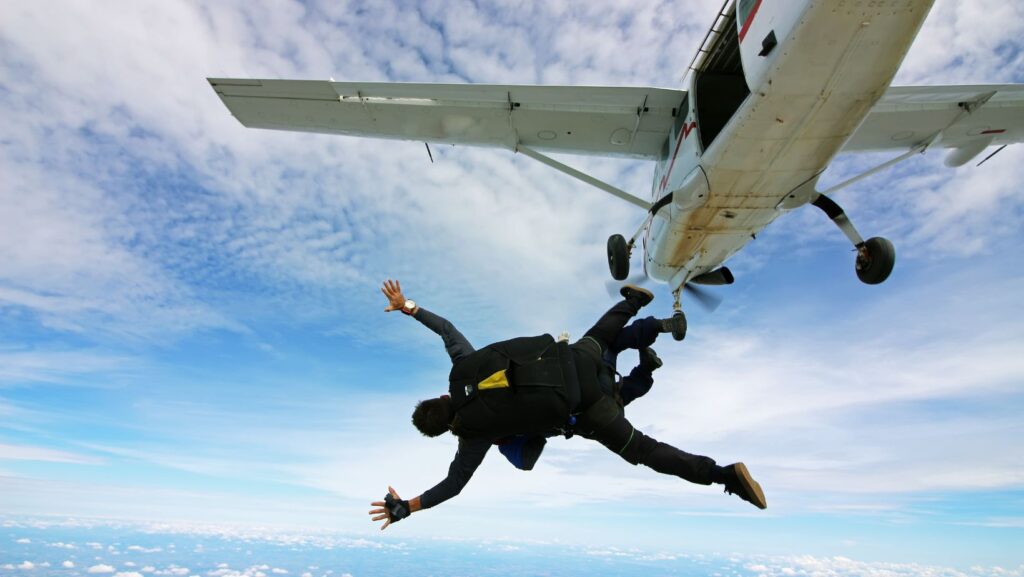
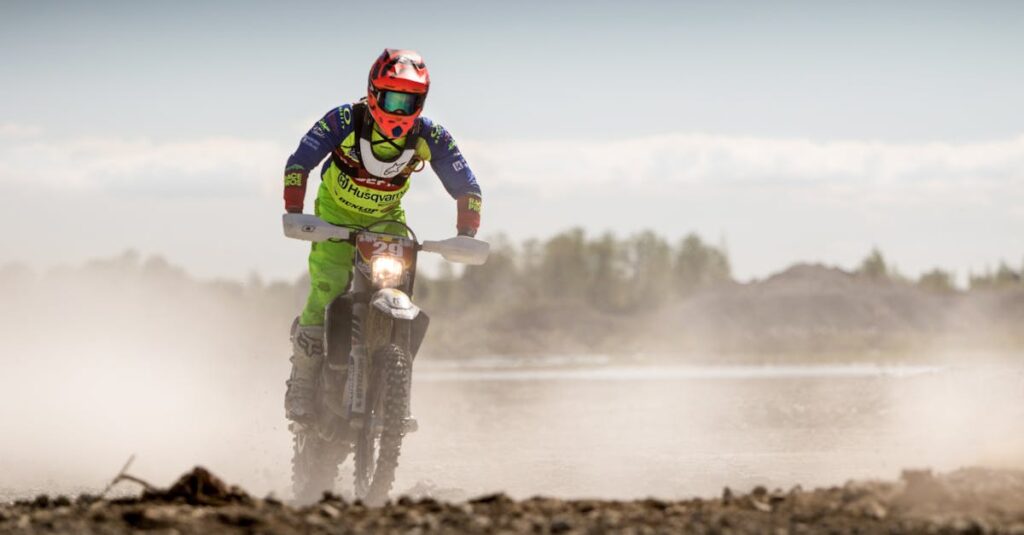
Your heart pounds. Wind whips past your ears. For a split second, you’re weightless—then gravity yanks you back, and you’re alive in a way you never feel at your desk. That’s the raw thrill of outdoor extreme sports. If you’ve ever wondered why people throw themselves off cliffs, ride waves taller than houses, or bike down mountains at breakneck speed, you’re in the right place. Outdoor extreme sports aren’t just about adrenaline. They’re about testing limits, facing fear, and discovering what you’re really made of.
What Makes Outdoor Extreme Sports So Addictive?
Let’s break it down. Outdoor extreme sports tap into something primal. When you’re clinging to a rock face or paddling through whitewater, your senses sharpen. You’re not thinking about emails or laundry. You’re thinking about the next move, the next breath. That focus is addictive. It’s called “flow”—a state where time disappears and you’re completely present. Studies show that people who chase this feeling report higher happiness and lower stress. But there’s more to it than brain chemistry.
Here’s the part nobody tells you: outdoor extreme sports force you to confront fear. Not just the fear of falling, but the fear of failing, of looking foolish, of not being enough. Every time you push through, you build confidence that spills into the rest of your life. You learn to trust yourself. You learn that you can handle more than you thought.
Types of Outdoor Extreme Sports
Outdoor extreme sports come in all flavors. Some are solo pursuits. Others demand teamwork and trust. Here are a few of the most popular:
- Rock Climbing: Whether you’re bouldering close to the ground or scaling a sheer cliff, climbing demands strength, strategy, and nerves of steel.
- Whitewater Kayaking: Imagine paddling into a churning river, dodging rocks and drops. It’s chaos, but there’s a rhythm to it.
- Mountain Biking: Fast descents, tight turns, and jumps that make your stomach drop. Every trail is a new puzzle.
- Wingsuit Flying: This is skydiving’s wild cousin. You leap from a cliff in a suit that lets you glide like a flying squirrel. It’s as close to human flight as you can get.
- Big Wave Surfing: Paddling into a 50-foot wall of water takes guts. Staying on your board takes skill—and a little luck.
Each sport has its own culture, gear, and learning curve. Some, like mountain biking, are accessible to beginners. Others, like wingsuit flying, require years of training. If you’re new, start small. Find a local group or guide. Learn the basics before you go big.
Who Should Try Outdoor Extreme Sports?
Here’s the truth: outdoor extreme sports aren’t for everyone. If you hate being outside, or you’d rather watch than do, that’s okay. But if you crave challenge, if you want to feel alive, if you’re willing to get scared and sweaty and maybe a little bruised, you’ll fit right in. Age isn’t a barrier. There are climbers in their seventies, surfers in their sixties, and mountain bikers who started after retirement. What matters is attitude, not age.
If you’ve ever struggled with anxiety or self-doubt, outdoor extreme sports can help. They teach you to manage fear, not eliminate it. You learn to breathe through panic, to focus on what you can control. That skill translates to work, relationships, and everything else.
Common Mistakes and Hard Lessons
Let’s get real. Everyone makes mistakes in outdoor extreme sports. I once forgot my climbing shoes on a big trip and had to borrow a pair two sizes too small. My feet hurt for days, but I learned to double-check my gear. Here are a few classic blunders:
- Skipping safety checks because you’re in a rush
- Letting ego push you past your skill level
- Ignoring weather reports (nature always wins)
- Not listening to your body—fatigue leads to accidents
Every mistake is a lesson. The best athletes aren’t fearless. They’re careful, humble, and always learning. If you mess up, own it. Share your story. You’ll help someone else avoid the same pitfall.
How to Get Started with Outdoor Extreme Sports
Ready to try? Here’s how:
- Pick a sport that excites you. Watch videos, read stories, talk to people who do it.
- Find a local club, guide, or class. Don’t go solo at first—learn from people who know the ropes.
- Invest in basic gear, but don’t buy everything at once. Rent or borrow until you know what you like.
- Start slow. Master the basics before you chase the big thrills.
- Respect your limits. Progress comes with patience and practice.
Here’s why this matters: outdoor extreme sports can be dangerous if you skip steps. But with the right mindset and support, you’ll build skills safely—and have way more fun.
What Nobody Tells You About Outdoor Extreme Sports
Most people think outdoor extreme sports are all about adrenaline. But the real magic happens after the rush. You’ll make friends who feel like family. You’ll see places most people never visit—hidden canyons, secret surf breaks, mountain peaks at sunrise. You’ll learn to laugh at yourself. You’ll fail, a lot, and realize that’s part of the fun.
Here’s the secret: outdoor extreme sports aren’t about being the best. They’re about showing up, trying hard, and celebrating small wins. You’ll discover grit you didn’t know you had. You’ll find peace in chaos. And you’ll collect stories that make you smile every time you tell them.
Next Steps: Your Adventure Awaits
If you’re ready to trade comfort for excitement, outdoor extreme sports are waiting. Start with curiosity. Ask questions. Take a class. Say yes to the next invitation. The first step is always the hardest, but it’s also the most important. Adventure doesn’t care how old you are, how fit you are, or how much gear you own. It just wants you to show up.
So, what are you waiting for? The wild is calling. Your next story starts now.