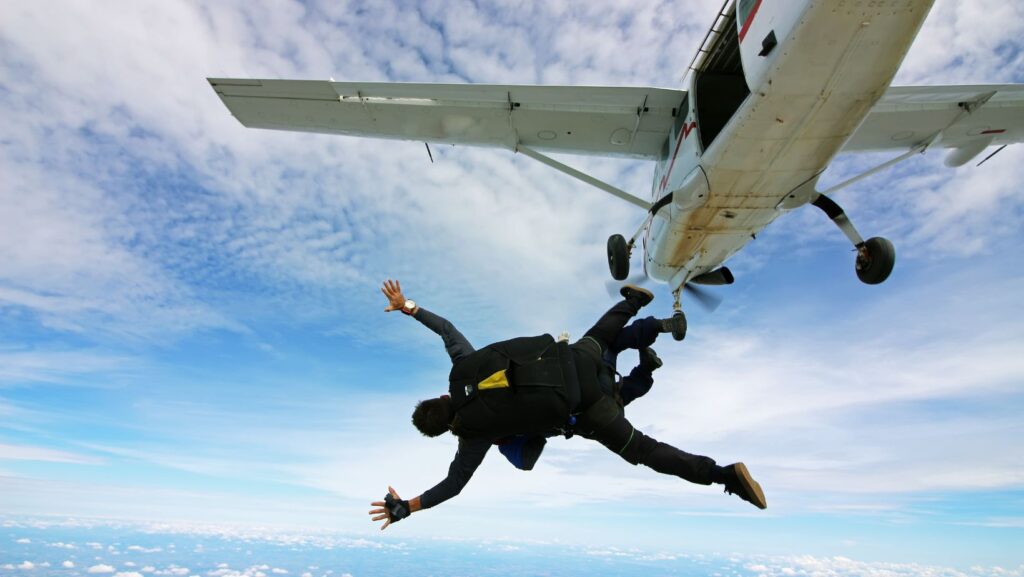

Picture this: you’re standing on the edge of a cliff, wind whipping your face, heart pounding so loud you can barely hear your own thoughts. You’re about to leap—parachute strapped on, mind racing with every possible outcome. This is the world of extreme sports, where the risks are real, the rewards are unforgettable, and every decision matters. If you’ve ever wondered why people chase these adrenaline highs, or if you’re thinking about trying adventure sports yourself, you’re in the right place.
What Makes Extreme Sports So Addictive?
Extreme sports—think skydiving, base jumping, big wave surfing, or downhill mountain biking—aren’t just about danger. They’re about pushing limits, feeling alive, and discovering what you’re really made of. The rush of action sports comes from the mix of fear, focus, and freedom. It’s not just thrill-seeking; it’s a way to test your body and mind in ways everyday life rarely allows.
But here’s the part nobody tells you: the real reward isn’t just the adrenaline. It’s the sense of accomplishment, the stories you collect, and the community you join. If you’ve ever felt stuck in a rut, extreme sports can jolt you awake. But they’re not for everyone. If you hate uncertainty or crave total control, you might find the risks outweigh the rewards.
Extreme Sports Risks: What’s at Stake?
Let’s break it down. Extreme sports risks are real and sometimes life-altering. Broken bones, concussions, and even fatalities happen. According to the National Safety Council, activities like rock climbing and motocross have injury rates far higher than traditional sports. But the numbers only tell part of the story.
- Physical injuries: Sprains, fractures, and head trauma are common.
- Emotional toll: Fear, anxiety, and even PTSD can follow a bad fall or close call.
- Financial costs: Medical bills, lost work, and expensive extreme sports equipment add up fast.
Here’s why people still do it: the risks are part of the appeal. Every jump, ride, or climb forces you to focus, prepare, and respect your limits. But ignoring extreme sports safety can turn a fun day into a nightmare. If you’re new, start slow. Learn from others’ mistakes—like the time I tried snowboarding without a helmet and ended up with a mild concussion. Lesson learned: never skip the gear.
Extreme Sports Rewards: Why Take the Leap?
Now for the good stuff. Extreme sports rewards go way beyond bragging rights. You build confidence, resilience, and a sense of mastery. Studies show that adventure sports can reduce stress, boost mood, and even improve brain function. The benefits aren’t just physical—they’re mental and emotional, too.
- Stronger body: Action sports demand strength, balance, and endurance.
- Sharper mind: You learn to make quick decisions and stay calm under pressure.
- Deeper connections: The extreme sports community is tight-knit and supportive.
If you’ve ever felt stuck or bored, trying something new—like bouldering or kite surfing—can shake things up. The first time I landed a clean jump on my mountain bike, I felt unstoppable. That feeling sticks with you, long after the adrenaline fades.
Extreme Sports Safety: How to Stack the Odds in Your Favor
Let’s get practical. Extreme sports safety isn’t just about wearing a helmet. It’s about preparation, respect, and knowing your limits. Here’s what works:
- Get the right extreme sports equipment. Don’t cheap out on gear. Quality matters, whether it’s a climbing harness or a skateboard helmet.
- Invest in extreme sports training. Take lessons from certified instructors. Watch videos, read guides, and practice the basics before you go big.
- Check conditions. Weather, terrain, and even your own energy levels can make or break your day.
- Never go alone. Bring a buddy or join a group. If something goes wrong, you’ll want help nearby.
- Listen to your gut. If something feels off, don’t push it. The mountain will still be there tomorrow.
Here’s a tip nobody shares: keep a “gear check” ritual. Before every session, run through your equipment, double-check straps, and make sure nothing’s worn out. It sounds simple, but it’s saved me from more than one close call.
Extreme Sports Insurance: Do You Really Need It?
If you think your regular health insurance covers extreme sports, think again. Many policies exclude high-risk activities. That’s where extreme sports insurance comes in. It covers injuries, rescue costs, and sometimes even lost equipment. If you travel for adventure sports, look for plans that include evacuation and repatriation. It’s not glamorous, but it’s smart. I once saw a friend rack up a $20,000 bill after a paragliding accident overseas—insurance would’ve made all the difference.
Who Should Try Extreme Sports—and Who Shouldn’t?
Here’s the truth: extreme sports aren’t for everyone. If you love routine, hate surprises, or have serious health issues, you might want to stick to safer hobbies. But if you crave challenge, love learning, and can handle a little fear, adventure sports might change your life. Start small, respect the risks, and celebrate every win—no matter how tiny.
If you’re on the fence, ask yourself: what’s the worst that could happen? What’s the best? Sometimes, the biggest risk is never trying at all.
Next Steps: How to Get Started in Extreme Sports
Ready to take the plunge? Here’s how:
- Pick one action sport that excites you—maybe rock climbing, BMX, or whitewater kayaking.
- Research local clubs or classes. Community matters more than you think.
- Invest in basic extreme sports equipment and safety gear.
- Sign up for a beginner course or guided trip.
- Set a small, specific goal—like landing your first jump or climbing a beginner route.
Remember, every expert started as a beginner. You’ll make mistakes, get scared, and maybe even fall. But you’ll also grow, laugh, and collect stories you’ll tell for years. If you’re ready for a life less ordinary, extreme sports might be your ticket.