Extreme sports have exploded in popularity over the past decade, turning once underground hobbies into booming industries with real career opportunities. From skydiving and kitesurfing to snowboarding and rock climbing, more people than ever are seeking adrenaline-filled experiences and high-quality training. This surge has also brought attention to a common question among aspiring instructors: How much do extreme sports instructors actually earn? The answer depends on several factors, including experience, certifications, location, and the type of sport taught. Understanding these variables can help anyone exploring this career path set realistic expectations and build a solid financial plan. Many instructors also rely on a pay stub generator to track earnings from various seasonal or freelance gigs, making it easier to manage income across different employers.
Average Salary Range for Extreme Sports Instructors
Extreme sports instruction is a broad field, so earnings vary significantly. On average, instructors make between 30,000 and 70,000 dollars per year. Entry-level positions tend to fall on the lower end, especially for seasonal roles in adventure parks, water sports rentals, or beginner group classes. As instructors gain experience, specialize in advanced training, or work for premium adventure companies, their income can climb substantially.
Hourly wages typically range from 15 to 40 dollars, depending on the sport and location. For example, indoor rock climbing gyms may pay closer to the lower end, while certified paragliding or skydiving instructors can earn much more due to the higher risks involved and the advanced skills required. Private lessons also increase earning potential since students pay for one-on-one instruction and personalized coaching.
Earnings by Type of Extreme Sport
Different sports come with different pay scales. Here is a closer look at how much instructors in popular extreme sports typically earn:
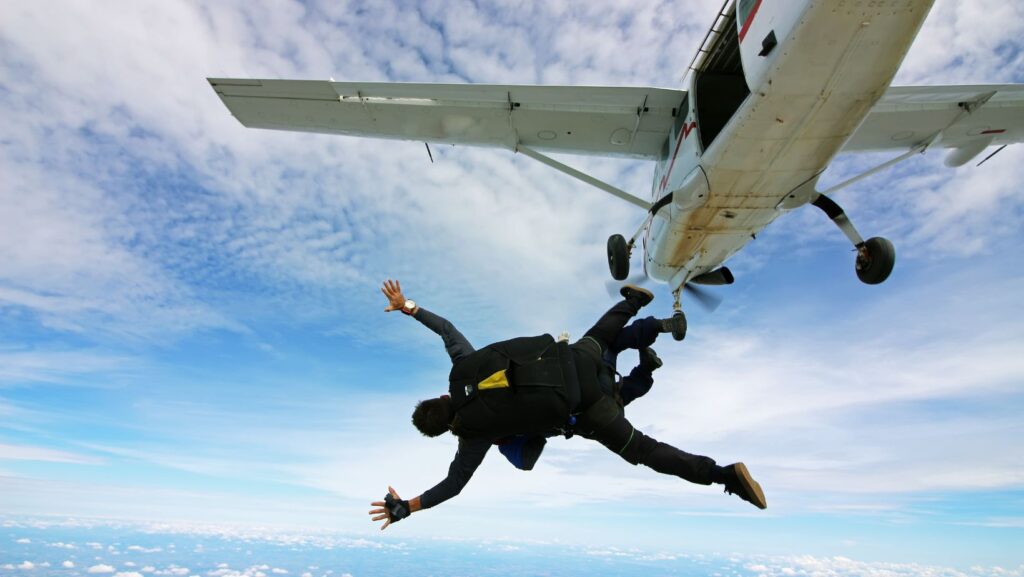
Skydiving Instructors: These instructors usually earn between 40,000 and 80,000 dollars per year. Tandem jump instructors earn higher rates because they are responsible for both safety and customer experience during each jump. Tips are common and can boost income during peak seasons.
Surfing and Kitesurfing Instructors: Water sports instructors tend to earn between 20,000 and 50,000 dollars annually. Tropical destinations or world-renowned surf towns often offer higher pay, but competition for jobs in these areas can be intense. Many instructors supplement their income by selling gear or offering photography services.

Rock Climbing Instructors: Indoor climbing instructors often start at 15 to 20 dollars per hour. Those who move into outdoor guiding or advanced certification roles can earn up to 60,000 dollars per year. Multi-pitch climbing guides and instructors with wilderness first responder certifications tend to earn more because of the additional responsibilities and risks.
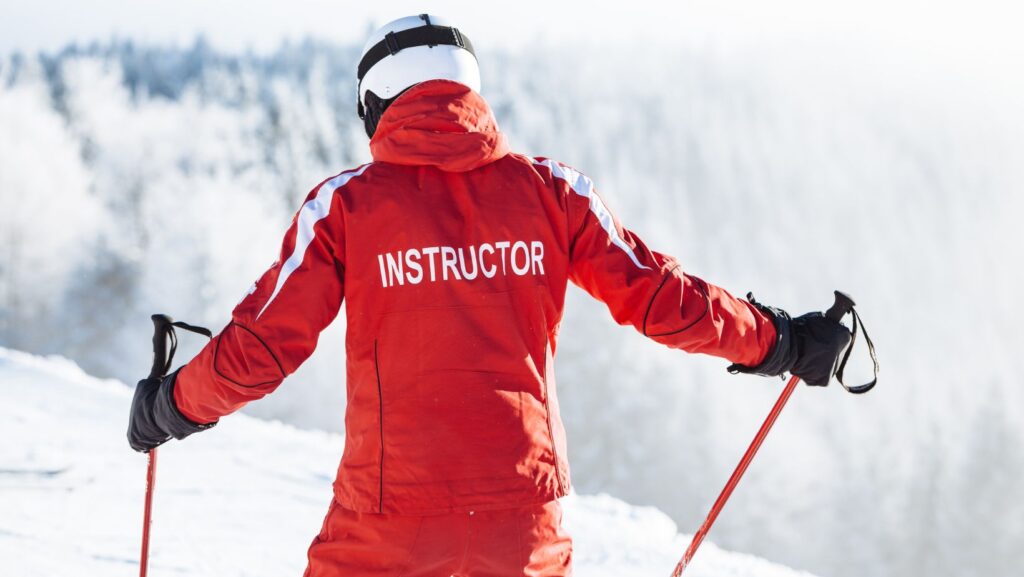
Snowboarding and Ski Instructors: Winter sports instructors may earn between 25,000 and 55,000 dollars each season. Resorts in popular destinations like Colorado or Switzerland typically pay more but also require stronger credentials. Many instructors move between hemispheres to work year-round, creating a steady income despite the seasonal nature of the sport.
Factors That Influence Instructor Salaries
Several variables play a major role in determining how much an extreme sports instructor earns. Experience is one of the greatest factors. A beginner instructor who teaches introductory classes will earn significantly less than someone certified to lead advanced or high-risk activities. As instructors build a reputation and client base, they can charge higher rates or secure positions with respected schools and adventure companies.
Certifications also matter. In many industries, students seek instructors with advanced training or safety credentials. Higher-level certifications often allow instructors to lead more complex activities, which increases earning potential. For example, a master scuba diver trainer or advanced kiteboarding coach can command much higher fees than entry-level trainers.
Location is another major factor. Working in a prime tourist destination typically results in higher pay. Coastal cities with year-round water sports, mountain towns with established outdoor communities, and adventure travel hotspots generally offer better salaries. However, the cost of living in these places may also be higher, so instructors must weigh income potential against expenses.
Freelance Work and Seasonal Income
Many extreme sports instructors work as freelancers or hold multiple seasonal jobs throughout the year. They may teach surfing during the summer, guide climbers in the fall, and work at a ski resort during winter. While this flexibility appeals to adventure-driven individuals, it also means income can fluctuate from month to month. Because of this, many instructors rely on careful financial tracking and annual records like the W-2 form to stay organized, especially when working for several employers.
Freelancers may also earn more per hour since they set their own rates, but they are responsible for managing expenses such as travel, gear maintenance, insurance, and certification renewals. Building a reliable client base and maintaining positive reviews are vital for long-term income stability.
Long-Term Career Growth
The extreme sports industry continues to grow, and with it, opportunities for instructors to expand their careers. Some move into training and certifying new instructors, which offers higher pay and year-round work. Others open their own schools, create online coaching programs, or partner with adventure brands for sponsorships. These paths can significantly increase earnings beyond traditional instruction roles.
For those who truly love adrenaline, the outdoors, and helping others build confidence, becoming an extreme sports instructor offers more than a paycheck. It provides a lifestyle built around passion, adventure, and community. With the right certifications, experience, and financial planning, instructors can earn a solid income while doing what they love every day.